
While spectators fill up stadiums today to watch their favorite professional sport teams play, people once flocked to arenas for an entirely different sport. Pedestrianism. Yup. Competitive walking.
This unusual form of entertainment developed an avid following of people who would come to see their favorite professional walkers compete. Pedestrianism really took off in the U.S. in the 1870s, in part because people were migrating to big cities and seeking out new activities to enjoy in their free time. Spectators flocked to see pros walk for six days at a time, covering hundreds of miles in total, with the person who covered the most ground over six days being named the winner. Competitions were held in large arenas that offered food vendors, live bands, and even wagering to add to the fun. The charm of pedestrianism lies in its simplicity. Unlike modern sports that rely on expensive equipment or technological enhancements, walking requires nothing more than a pair of capable feet and a determined spirit. It promotes physical fitness, mental clarity, and a connection to the world that is often lost in our fast-paced lifestyles.
Whether through urban streets or tranquil countryside paths, the act of walking allows us to slow down and observe the finer details of life. Beyond its athletic and meditative benefits, pedestrianism has historically been linked to another essential human need: nourishment. Walkers of the past often depended on hearty, energy-sustaining meals to keep them fueled for their long journeys. From simple bread and cheese to nourishing stews, food played a vital role in supporting these endurance feats. Inspired by the legacy of pedestrianism, we can incorporate the spirit of slow travel into our kitchens. Just as a long walk encourages patience and appreciation, so too does cooking from scratch. With that in mind, let’s transition from the rhythmic steps of walking to the careful preparation of a meal designed for nourishment and enjoyment.
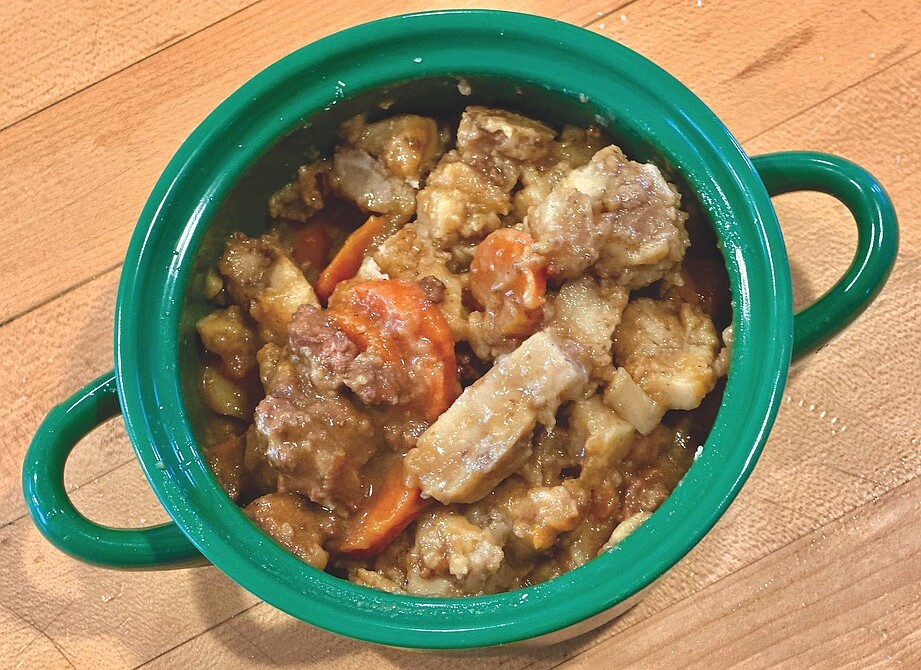
Rustic Traveler’s Stew Recipe
This hearty, one-pot stew is reminiscent of the simple yet nourishing meals that historic pedestrians might have relied on. It’s easy to prepare and packed with energy-rich ingredients to keep you fueled – whether you’re embarking on a countryside trek or just taking a leisurely stroll through your neighborhood. This dish embodies the essence of pedestrianism: simple, nourishing, and rewarding. So, the next time you take a long walk, consider coming home to a meal that celebrates both movement and mindful eating. After all, the best journeys – whether on foot or in the kitchen – are those that encourage us to slow down and savor the experience.
Ingredients:
2 pounds lean beef stew meat
4 tablespoons olive oil
1 onion, chopped
2 cloves garlic, minced
2 carrots, sliced
2 potatoes, diced
1 cup lentils (or barley for a heartier texture)
4 cup beef broth
1 can diced tomatoes
1 teaspoon dried thyme
1 teaspoon smoked paprika
Salt and pepper to taste
1 bay leaf
4 tablespoons all-purpose flour
Crusty bread for serving
Instructions:
Heat 2 tablespoons olive oil in a large pot over medium heat. Add the onion and garlic, sautéing until fragrant and translucent.
Stir in the carrots and potatoes, cooking for a few minutes to soften slightly. Remove veggies from pot
Prepare the beef. In large bowl combine the flour, ¼-teaspoon of salt, ¼-teaspoon of black pepper, and smoked paprika mix and add beef in small batches toss to completely coat with flour mixture. Add 2 tablespoons of olive oil to the pot, under medium heat, brown the beef in small batches, stir to sear all sides of the beef.
Add the lentils (or barley), broth, and diced tomatoes. Stir well.
Season with thyme, salt, and pepper. Toss in the bay leaf.
Bring to a gentle boil, for 10 minutes, then reduce heat and let simmer for about 30-40 minutes, stirring occasionally until the lentils are tender and the flavors meld together.
Remove the bay leaf and serve hot with crusty bread for a truly rustic experience.
Walking has always been a regular activity in my house. Not competitively, but an evening stroll always is enjoyed around our fair city. Studies suggest that you need a minimum of 7,000 steps a day, walking like your late for something to keep fit. Walking in the evenings is my favorite time of day to stroll, the crisp cool air and the smell of the fireplaces warming people’s homes. Everything just seems a bit slower and enjoyable.